

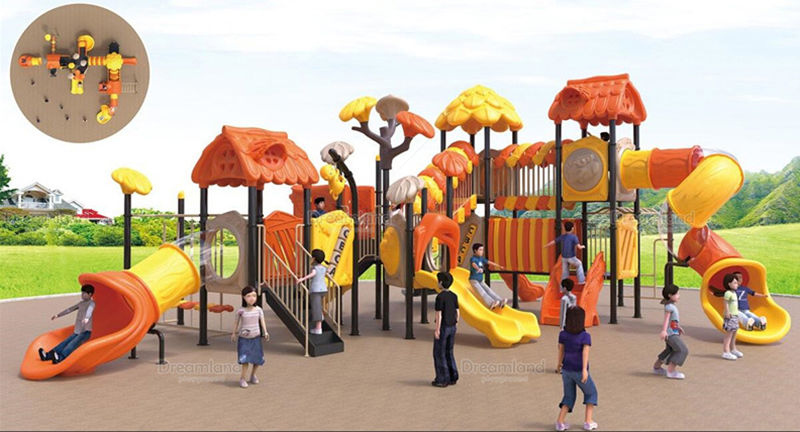
Backyard play often looks unstructured and simple. Children run, climb, dig, invent games, and move from one activity to another without much planning. To an adult, it can seem less purposeful than indoor play spaces filled with toys, puzzles, and organised activities. Yet this freedom is exactly what makes backyard play so powerful. It offers physical challenges and movement patterns that indoor environments rarely provide, helping children develop real strength, coordination, and confidence in their bodies.
Outdoor movement encourages full-body strength
Indoor play typically limits how much and how freely children can move. Furniture, walls, and safety rules often reduce opportunities for climbing, lifting, or fast movement. Outdoors, children naturally engage their whole body. Running across grass, pushing scooters, carrying objects, and climbing over or onto structures all require multiple muscle groups to work together.
Backyard play builds strength in a functional way. Instead of isolating muscles, children use their bodies as a unit. Activities such as pulling themselves up, hanging, digging, or balancing strengthen the core, arms, legs, and grip at the same time. These movements closely mirror how the body is meant to move, which supports healthy physical development.
Natural environments improve balance and coordination
Balance is not just a skill learned in structured activities. It develops through repeated exposure to uneven and changing surfaces. Indoors, floors are flat and predictable. Outdoors, children adapt to grass, soil, slopes, and small obstacles. Each step requires micro-adjustments that improve balance and spatial awareness.
As children move through a backyard, they learn how to shift their weight, adjust their posture, and recover from small slips. Over time, this builds confidence in movement. Children who spend more time outdoors often become more sure-footed and less fearful of physical challenges because their bodies have learned how to respond.
Strength grows through challenge and exploration
Backyard play often involves manageable risks. Climbing higher, jumping farther, or balancing longer pushes children slightly beyond their comfort zone. These challenges are important. They help children understand their physical limits and learn how to assess risk.
When children are trusted to explore within safe boundaries, they gain problem-solving skills alongside physical strength. They learn when to slow down, when to ask for help, and when they are ready to try again. This process builds resilience and self-belief, qualities that are just as important as physical ability.
Endurance develops naturally outdoors
Indoor play usually happens in short bursts. Children move, stop, and switch activities frequently. Outdoors, movement tends to last longer. Children run games, cycle laps, or repeat climbing patterns without realising how much effort they are putting in.
This sustained movement helps build cardiovascular endurance. Over time, children develop the ability to stay active for longer periods without fatigue. This not only supports physical health but also helps regulate energy levels, leading to better sleep and improved focus indoors.
Outdoor play supports mental and emotional strength
Physical strength is closely linked to mental well-being. Outdoor play reduces stress and gives children space to release built-up energy. Natural environments are less visually and audibly intense than indoor spaces, which can help calm the nervous system.
Backyard play also encourages independence. Children create their own games, solve problems, and negotiate rules with siblings or friends. This builds confidence and social skills in a way that structured indoor activities often cannot.
Indoor play has benefits, but also limits
Indoor play is valuable. It supports fine motor skills, creativity, reading, and quiet focus. However, indoor environments often restrict large movements. Children are reminded not to run, climb, or make too much noise. Over time, this can limit opportunities for developing strength through movement.
Backyard play offers a contrast. It gives children permission to move freely and express themselves physically. When indoor and outdoor play are balanced, children benefit from both focused, quiet activities and active, strength-building movement.
Simple ways to make backyard play more effective
Backyard play does not need to be complicated. Small changes can make it more engaging and beneficial:
- Set regular outdoor times so play becomes part of the routine
- Provide simple equipment like balls, ropes, or loose materials
- Allow children to lead their play rather than directing every activity
- Offer encouragement without turning play into a lesson
For families interested in creating a more intentional backyard play setup, looking at established outdoor climbing and play systems can provide useful ideas. Resources such as Funky Monkey Bars show how different structures can support climbing, hanging, and strength-based play while fitting into a home environment.
Why backyard play builds stronger kids
Backyard play strengthens children because it combines movement, challenge, and freedom. It allows kids to use their bodies fully, build endurance, and develop coordination in a natural setting. These experiences create a foundation for lifelong physical confidence.
While indoor play will always have an important role, it cannot replace the benefits of outdoor movement. A backyard, no matter its size, offers children space to grow stronger, more capable, and more comfortable in their own bodies.
