

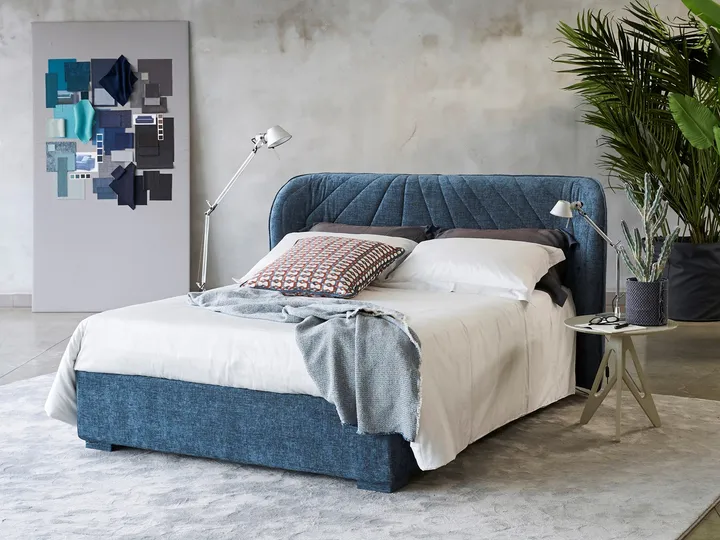
Sleep is not a passive state of isolation. It is an active, highly coordinated neurological process designed to clean biological waste from the brain, consolidate memories, and repair metabolic cellular tissue. While many people focus entirely on sleep duration, sleep quality depends heavily on environmental engineering. Your brain continuously samples the physical space around you, checking for signals of safety and biological alignment.
If your bedroom environment forces your body to fight against excessive ambient light, high temperatures, or acoustic pollution, you will suffer from micro-awakenings. These brief events fragment your sleep architecture and strip away the deep, slow-wave stages required for biological restoration. Transforming your bedroom into a scientifically optimized sleep environment requires addressing four critical environmental variables: thermoregulation, light elimination, acoustic management, and tactile material engineering.
Thermal Dynamics: The Core Temperature Drop
The human body operates on an internal circadian clock that dictates core body temperature fluctuations over a 24-hour cycle. In a healthy sleep cycle, your core temperature begins to decline approximately two hours before your typical bedtime. This drop helps trigger the production of melatonin, the hormone responsible for initiating sleep drowsiness.
To facilitate this necessary drop in core temperature, your surrounding environment must be cool. Clinical sleep research demonstrates that the ideal bedroom temperature for healthy adults ranges between 60 degrees Fahrenheit and 67 degrees Fahrenheit. When your bedroom ambient temperature exceeds 70 degrees Fahrenheit, it acts as a thermal barrier. Your body struggles to radiate heat, which elevates your heart rate and prolongs the time it takes to fall asleep.
Furthermore, a bedroom that is too warm significantly reduces the time you spend in slow-wave sleep and rapid eye movement sleep. This heat stress forces your nervous system to stay mildly alert to regulate your temperature, leaving you feeling unrefreshed in the morning even if you slept for eight full hours.
To maintain proper thermal dynamics throughout the night, focus on structural airflow and strategic bedding choices:
-
Programmatic Thermostat Adjustments: Set your air conditioner or central heating to drop into the 60 to 67 degrees Fahrenheit range at least thirty minutes before you enter the room. This pre-cools the mattress fabric and ambient air.
-
Forced Air Circulation: Use a ceiling fan spinning counterclockwise. This direction creates a subtle wind-chill effect that increases evaporative cooling on your skin without dropping the room into a freezing state that could cause muscle tension.
-
Dual-Zone Climate Control: For individuals sharing a bed with partners who have different metabolic heat outputs, utilize passive layer systems or active water-perfused mattress pads that allow each half of the bed to be cooled independently.
Photobiological Architecture: Total Light Elimination
Your eyes contain specialized cells known as intrinsically photosensitive retinal ganglion cells. These cells do not contribute to your conscious vision. Instead, they contain a photopigment called melanopsin, which responds specifically to the presence of short-wavelength blue light. When these cells detect even tiny amounts of light, they send direct signals to the master clock of the brain, the suprachiasmatic nucleus. This signal immediately suppresses the secretion of melatonin, tricking your brain into thinking it is daytime.
To achieve deep rest, your bedroom must mimic the darkness of a deep cave. Light pollution from streetlamps, passing vehicles, and internal electronic standby lights can pass through thin eyelids, causing immediate, subconscious spikes in cortical arousal.
-
Industrial Blackout Curtains: Standard decorative curtains allow light to bleed through the fabric and around the edges. Upgrade to triple-weave blackout curtains with a dedicated light-blocking rubberized lining layer. Ensure the curtain track extends several inches beyond the window frame to eliminate side light leakage.
-
LED Erasure: Walk through your bedroom in total darkness and identify every electronic indicator light. Use specialized opaque blackout stickers to cover light emitting diodes on smoke detectors, air purifiers, television frames, and power strips.
-
Circadian-Aligned Ambient Lighting: Swap out bright overhead bedroom bulbs for low-wattage fixtures that emit warm amber light waves. Avoid using any cool white or blue lighting in the bedroom during your evening wind-down routine.
Acoustic Optimization: Sound Masking and Control
The human auditory system never sleeps. Even when you are fully unconscious, your brain evaluates background noises for signs of danger. Sudden acoustic spikes, such as a dog barking or a car door slamming, cause a sudden burst of brain activity called a K-complex. These acoustic shocks pull you out of deep sleep stages and into light, fragmented sleep without your conscious awareness.
While complete silence is ideal, it is rarely achievable in dense urban environments. Therefore, acoustic optimization focuses on creating a stable, predictable soundscape that raises the baseline auditory threshold of your environment.
-
Continuous Auditory Masking: Introduce a mechanical white noise machine that utilizes a physical fan to generate sound, or a high-fidelity digital sound machine configured to pink or brown noise. Unlike white noise, pink and brown noise emphasize deeper, lower frequencies that mimic natural soundscapes, effectively masking jarring outside noises.
-
Structural Deflection: Soften the reflective surfaces within your bedroom. Bare drywall and wood floors amplify outside sound waves. Incorporate dense area rugs, heavy upholstered furniture, and fabric wall hangings to absorb incoming acoustic energy.
-
High-Attenuation Ear Protection: For individuals living near railways or airports, high-grade silicone or moldable wax earplugs designed specifically for side-sleepers offer a reliable personal barrier against sound.
Material Ergonomics: Tactile and Chemical Selection
The physical mattress, pillows, and sheets you sleep on do more than provide basic comfort. They serve as the direct interface for your body’s nightly recovery. Choosing materials that trap moisture and body heat can ruin an otherwise well-designed sleep environment.
Many conventional mattresses are constructed from dense synthetic memory foam. While comfortable initially, these chemicals trap body heat, forming a thermal hot zone directly beneath your torso. As your body heat builds up, you sweat, raising the humidity under your covers and disrupting your sleep cycles.
-
Breathable Micro-Architecture Mattresses: Look for sleep surfaces that feature open-cell natural latex or pocketed inner-spring coils. These designs allow air to move freely through the core of the mattress, carrying heat away from your skin.
-
Botanical Bedding Fabrics: Avoid high-thread-count polyester and microfiber sheets, which act as vapor barriers. Opt for highly breathable, moisture-wicking natural textiles such as long-staple cotton, French linen, or bamboo-derived lyocell.
-
Anatomical Alignment Solutions: Your neck and spine must remain in a neutral position to prevent muscle stiffness and breathing resistance. Choose a pillow loft height that matches your primary sleeping position, ensuring side sleepers have enough height to bridge the shoulder gap, while back sleepers utilize lower profiles.
Structural Decluttering and Spatial Purpose
The human brain relies on contextual association. If you frequently use your bed to answer emails, watch television, or resolve stressful arguments, your sympathetic nervous system begins to associate the physical space with alertness and worry. This condition is known as conditioned arousal.
To break this cycle, the bedroom must be reserved exclusively for two activities: sleep and intimacy. Keeping the bedroom clear of visual clutter, laundry piles, and workstations reduces the cognitive load on your brain when you cross the threshold of the room at night, signaling that your survival responsibilities are complete for the day.
Frequently Asked Questions
How does bedroom humidity impact overall sleep architecture?
Indoor humidity should ideally be kept between 30 percent and 50 percent. When humidity levels rise above 50 percent, your body struggles to evaporate sweat efficiently, which halts your natural cooling process and leads to restless, light sleep. Conversely, humidity below 30 percent dries out your nasal passages and upper respiratory tract, increasing the likelihood of airway irritation, snoring, and nighttime coughing fits.
Can houseplants truly improve bedroom air quality enough to affect sleep?
While plants do produce oxygen and filter minor amounts of airborne toxins, a typical bedroom would require dozens of large potted plants to make a measurable impact on carbon dioxide levels. For genuine sleep improvement, rely on a dedicated mechanical air purifier equipped with a true HEPA filter to eliminate dust, pet dander, and microscopic allergens that cause nasal congestion.
Why does reading on a tablet disrupt sleep more than reading a physical book under a lamp?
Tablet screens utilize direct illumination, shining high-intensity blue light waves directly into your eyes from a close distance, which immediately suppresses melatonin production. A traditional bedside lamp shining down on a physical book utilizes indirect, reflected light, which lacks the concentrated blue wavelengths and high intensity required to disrupt your circadian rhythm.
Does changing your bedding sheets regularly affect your physiological sleep quality?
Yes. Your body sheds millions of dead skin cells and secretes oils every night. This organic material accumulates in your bedding, attracting dust mites and fostering microbial growth. These microscopic irritants can trigger mild, low-grade allergic responses that restrict your nasal airways during the night, increasing your breathing effort and reducing deep sleep duration.
Is it safe to use a weighted blanket if my bedroom tends to get warm at night?
Weighted blankets offer excellent deep-touch pressure stimulation, which can calm an overactive nervous system. However, standard models trap significant amounts of body heat due to their heavy construction materials. If you sleep hot but want the benefits of a weighted blanket, look for models constructed with open-loop knit designs and glass microbeads rather than polyester fillings.
What is the scientific reason behind waking up tired despite sleeping in a cold room?
While a cool room is a foundational requirement for sleep, it cannot fix deep sleep issues on its own. If your room is perfectly cool but you still wake up exhausted, you may be experiencing hidden sleep disruptions. Common culprits include consuming caffeine too late in the afternoon, alcohol use destroying your REM sleep cycles, structural sound disruptions, or an underlying breathing issue like sleep apnea.
