

Singapore’s position as one of Asia’s premier business hubs means that the city hosts an extraordinary volume of international business travel. The executives, consultants, deal-makers, and professionals who move through Singapore’s Changi Airport and fill its hotel rooms represent a demographic with specific and underserved fitness needs that differ meaningfully from those of leisure tourists or long-stay residents. For the serious business traveller who maintains structured fitness habits at home and refuses to treat travel as a sabbatical from physical maintenance, the quality and accessibility of fitness facilities in Singapore is a genuine factor in destination experience.
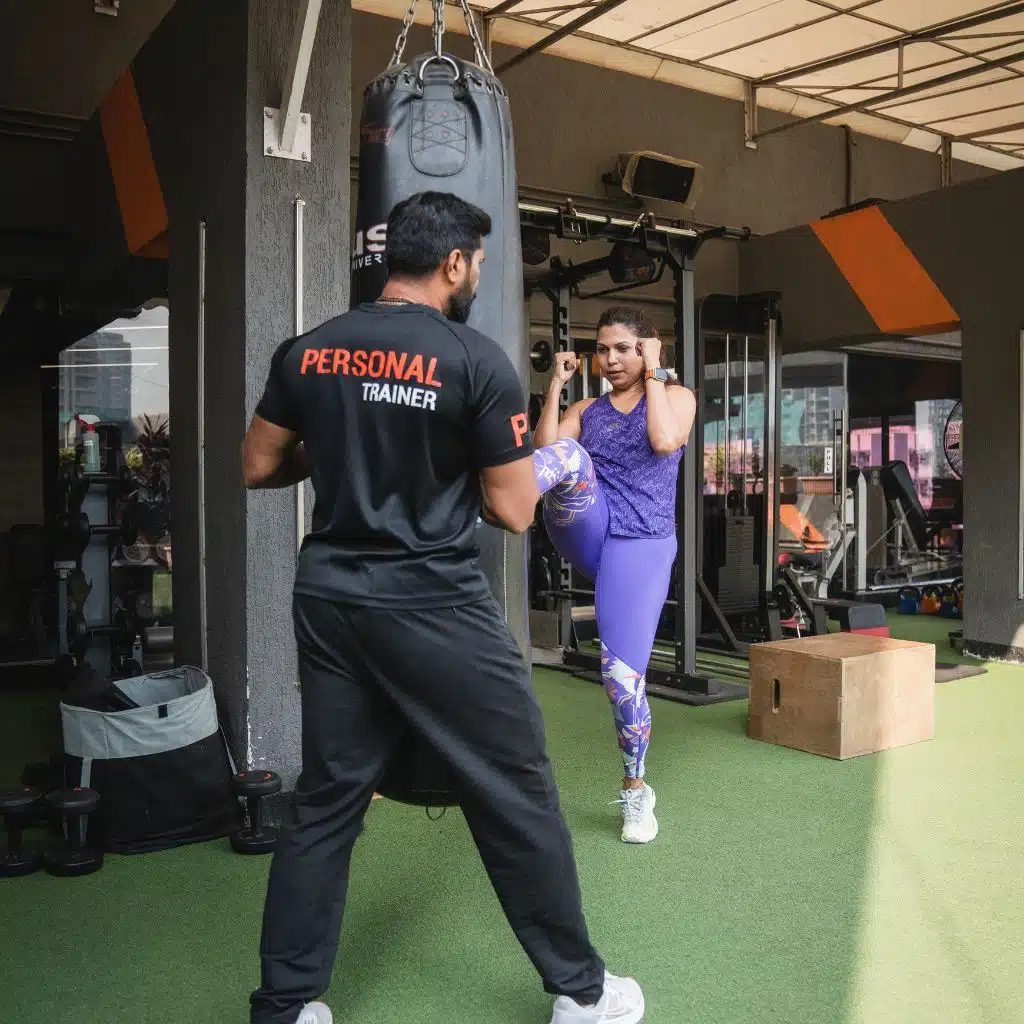
A personal training gym singapore offers represents a compelling fitness base for the business traveller who wants more than a hotel gym’s treadmill selection. The availability of qualified personal training alongside professional-grade facilities allows business travellers to maintain structured, coached training across their Singapore stay in a way that produces genuine physical benefit rather than simply maintaining the psychological comfort of going through exercise motions.
The Business Traveller’s Fitness Challenge
Frequent international travel creates a distinctive set of fitness challenges that the serious business traveller must manage actively rather than simply accepting as unavoidable travel consequences:
Circadian rhythm disruption: Long-haul travel across multiple time zones disrupts the circadian regulation of cortisol, melatonin, testosterone, and growth hormone in ways that directly affect exercise capacity and recovery. Training performed in a circadian-disrupted state produces different physiological responses than equivalent training performed in a stable circadian environment, and ignoring this disruption in training decisions can produce unexpected fatigue accumulation and performance decrements.
Schedule unpredictability: Business travel schedules are inherently variable and frequently disrupted by meeting overruns, unexpected client demands, and travel delays that make fixed training appointment adherence more challenging than in a stable home environment. Training systems that accommodate schedule variability while maintaining minimum effective training frequency are more sustainable for business travellers than rigid daily training commitments that collapse entirely when a single session is displaced.
Nutrition environment change: Singapore’s extraordinary food environment presents both opportunities and challenges for the business traveller managing nutrition alongside training. The abundance of high-quality food options across all price points supports good nutritional management. However, the demands of client entertainment, working meals, and the social dimensions of business relationship development create caloric and alcohol intake patterns that require active management to avoid undermining training adaptation.
Accumulated travel stress: The cognitive, physical, and psychological demands of frequent travel, including prolonged sitting, sleep disruption, time pressure, and social demands, create accumulated stress that reduces the recovery capacity available for training adaptation and increases the importance of training approaches that deliver training stimulus without adding substantially to total stress load.
Why Personal Training Works for Business Travellers
The personal training gym format is particularly well-suited to the business traveller’s fitness needs for several reasons that distinguish it from self-directed gym training or group fitness class attendance:
Scheduling flexibility: Personal training sessions can be scheduled at the specific times that the business traveller’s programme allows rather than conforming to fixed class schedules that may not align with variable business commitments. Early morning sessions before business meetings, lunchtime sessions during schedule gaps, and evening sessions following early meeting days can all be accommodated through personal training scheduling flexibility.
Programme continuity: A personal trainer who understands the business traveller’s overall training programme can design Singapore sessions that complement rather than conflict with the training being undertaken at home, maintaining programme continuity rather than treating the Singapore stay as an isolated training context.
Expert local knowledge: Singapore-based personal trainers provide value beyond exercise prescription through knowledge of local recovery resources, nutritional guidance for Singapore’s specific food environment, and awareness of the specific travel-related physiological challenges that affect training capacity and recovery during a Singapore business stay.
Efficiency: The coached efficiency of personal training means that a forty-five to sixty minute personal training session delivers a more focused and productive training stimulus than an equivalent or longer period of self-directed gym training, which is particularly valuable for business travellers whose available training time is compressed by professional commitments.
Planning a Personal Training Programme for a Singapore Business Stay
Business travellers who want to integrate personal training into a Singapore visit benefit from advance planning that maximises the training value available within the constraints of a business itinerary:
Contacting a personal training gym before arrival to schedule sessions at appropriate times within the business programme allows session slots to be reserved rather than dependent on availability at the time of spontaneous enquiry. Early morning slots, typically between six and eight AM, are most reliably compatible with business travel schedules that become less predictable as the working day progresses.
Providing the personal trainer with information about current training history, fitness objectives, any physical limitations or injury concerns, and the specific training qualities most important to maintain during the Singapore stay allows session design that is immediately productive rather than requiring multiple orientation sessions before genuinely effective training can begin.
For multi-week Singapore stays, establishing a minimum training frequency that is achievable even during demanding business weeks and committing to sessions at that frequency before adding additional sessions when schedule allows produces more consistent training outcomes than ambitious frequencies that collapse entirely during the busiest weeks.
Singapore’s Infrastructure Advantage for the Fitness-Focused Business Traveller
Singapore’s compact geography and efficient public transport infrastructure create logistical conditions that support business traveller gym access more effectively than many other major business destinations. The MRT system connects Singapore’s major hotel and business districts to fitness facilities with minimal travel time, eliminating the logistical friction that makes gym attendance during business travel inconvenient in less well-connected cities.
The concentration of Singapore’s major hotel clusters in areas including the CBD, Orchard Road, and Marina Bay places them within accessible distance of quality personal training facilities, making early morning gym sessions before hotel breakfast and business meetings a genuinely practical daily routine rather than a logistical achievement requiring significant advance coordination.
TFX Singapore welcomes business travellers as a valued part of its training community, providing the professional personal training standards, scheduling flexibility, and training infrastructure that serious fitness-focused business travellers expect from a world-class Singapore fitness facility.
Recovery Integration for the Travelling Business Person
The recovery dimension of fitness maintenance during business travel deserves specific attention because the recovery environment of a Singapore business stay differs meaningfully from the home training environment in ways that require deliberate management.
Hotel sleeping environments, while often comfortable, are frequently subject to noise, light, and temperature control limitations that reduce sleep quality compared to familiar home environments. The artificial light environment of business travel, with prolonged exposure to bright indoor lighting during evening client entertainment, suppresses melatonin production and delays sleep onset in ways that compound the circadian disruption of long-haul travel.
Personal trainers at Singapore personal training gyms can provide practical guidance on managing these recovery environment challenges through sleep hygiene adaptations, training timing adjustments relative to arrival time zones, and recovery modality recommendations that support the physical maintenance outcomes that business traveller clients are seeking from their Singapore training.
