

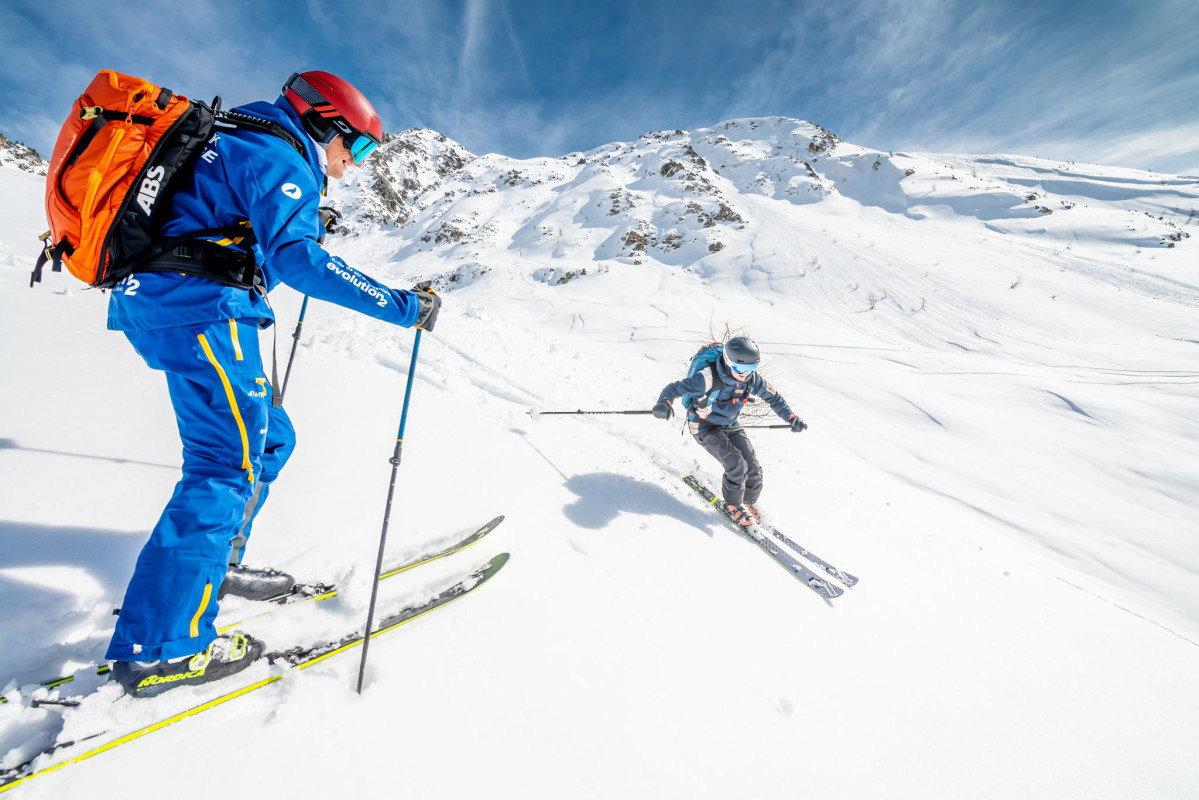
When temperatures drop and the first winter snowfall blankets the landscape, popular culture tends to offer a singular recommendation: go skiing. For decades, mountain tourism has prioritized downhill slopes, leaving those who dislike the sport feeling excluded from winter fun. Skiing involves significant financial investment, long lift lines, freezing chairlifts, and a steep learning curve that often ends in physical frustration or injury.
Fortunately, the cold season offers far more than just downhill slopes. You do not need to strap two narrow boards to your feet and hurtle down a mountain to enjoy a snow-covered wilderness. Across North America and beyond, an entire world of alternative winter recreation exists for those seeking adrenaline, tranquility, or unique wildlife encounters.
If you want to experience the magic of winter without step-in bindings or crowded ski lodges, these ten winter adventure activities will get you outdoors and moving.
1. Ice Climbing
For rock climbers who find themselves grounded during the colder months, ice climbing serves as the ultimate winter transition. Instead of scaling granite or sandstone, you use specialized gear to ascend vertical walls of frozen water, such as frozen waterfalls or seasonal ice flows.
The sport requires a high level of focus and delivers a massive adrenaline rush. Beginners should never attempt this alone; instead, book a guided excursion. Professional guides provide essential safety gear, including crampons, ice axes, helmets, and harnesses, while managing the top-rope anchor systems to ensure a secure climb.
2. Fat Biking on Snow
If you enjoy cycling in the summer, you do not have to put your bicycle in storage when winter arrives. Fat bikes are specifically designed mountain bikes outfitted with oversized tires, usually measuring four to five inches wide. These wide tires run on ultra-low air pressure, which creates a large contact patch with the ground, providing floatation and traction on packed snow trails.
Many winter trail networks now groom specific paths for fat biking. It provides a phenomenal cardiovascular workout while allowing you to cover significantly more ground than you could on foot, all while experiencing the familiar joy of riding a bicycle through a silent, snow-laden forest.
3. Dog Sledding
Dog sledding, or mushing, combines historical transportation with high-speed outdoor adventure. This activity allows you to experience the wilderness while working alongside a team of highly trained, energetic Alaskan Huskies or Siberian Huskies.
Most operations offer two options: you can ride as a passenger tucked into a warm sled under heavy blankets, or you can take a lesson to learn how to stand on the runners and mush the team yourself. The sheer power and enthusiasm of the dogs as they run through pristine backcountry trails create an unforgettable connection to nature and history.
4. Backcountry Snowshoeing
Snowshoeing is often described as winter hiking, but it offers far greater freedom. Traditional hiking restricts you to established trails, whereas snowshoes distribute your body weight over a larger surface area, allowing you to walk directly on top of deep powder without sinking.
This means you can explore untouched meadows, follow frozen riverbeds, and venture deep into old-growth forests that are completely inaccessible by foot in the summer. It requires zero technical skill, making it highly accessible, yet it burns a significant number of calories and delivers deep, meditative solitude.
5. Canyoneering and Ice Cave Exploring
Summer canyoneering involves swimming, rappelling, and wading through slot canyons. In the winter, these same geological formations transform into frozen architectural wonders. As water drips down canyon walls and freezes, it creates massive icicles, frozen waves, and hidden ice caves.
Exploring these areas in winter requires microspikes or crampons attached to your hiking boots to safely navigate the icy canyon floors. Walking beneath towering sandstone walls draped in brilliant blue ice feels like stepping into an entirely different planet, far removed from the noise of standard winter resorts.
6. Snow Tubing
If you miss the pure, unadulterated thrill of sliding down a hill but want to completely bypass the steep learning curve of skiing, snow tubing is the perfect alternative. Specialized recreation parks feature machine-groomed lanes dedicated entirely to oversized rubber tubes.
You simply sit in the tube, hold onto the handles, and let gravity do the work. Most modern snow tubing facilities feature conveyor belt lifts, meaning you do not even have to walk back up the hill after your descent. It provides the speed and excitement of sledding but with custom tracks and professional grooming that ensure a smooth, thrilling ride.
7. Winter Wildlife Safaris
Many national and state parks become quiet sanctuaries once the summer crowds leave and snow blankets the terrain. This makes winter an ideal season for tracking and observing wildlife. Animals like wolves, bison, elk, moose, and foxes are far easier to spot against a stark white backdrop of fresh snow.
Places like the Greater Yellowstone Ecosystem offer guided winter tours in heated snowcoaches or tracked vehicles. Expert naturalists help you spot animals, interpret tracks in the snow, and understand the unique physiological adaptations these species use to survive sub-zero temperatures.
8. Ice Fishing
For a slower, more deliberate style of outdoor adventure, ice fishing offers a unique blend of wilderness patience and camaraderie. The process involves traveling out onto a thick sheet of lake ice, drilling a hole using a manual or powered auger, and dropping a specialized short fishing rod into the water below.
Many modern ice fishing outfitters provide heated ice shanties or hard-sided cabins directly on the ice, complete with propane heaters, seating, and underwater cameras. It is a fantastic way to experience the stark beauty of a frozen lake while enjoying warm drinks and waiting for a bite.
9. Winter Camping
While summer camping is popular, winter camping offers a level of pristine quiet and isolation that cannot be matched. There are no insects, no crowded campsites, and the snow dampens ambient sound, creating an incredibly peaceful environment.
Success in winter camping relies heavily on proper gear and preparation. You will need a four-season tent designed to handle snow loads, a sleeping pad with a high insulation rating, and a sleeping bag rated well below the expected nighttime temperatures. Cooking over a camp stove in the crisp winter air and watching the stars on a clear, cold night is an experience every outdoor enthusiast should try at least once.
10. Night Stargazing and Aurora Tracking
Winter nights are naturally longer, and the cold air holds less moisture than warm summer air, resulting in exceptionally clear night skies with minimal atmospheric haze. This creates ideal conditions for amateur astronomy and stargazing.
In northern latitudes, winter is also prime time for chasing the Aurora Borealis, or Northern Lights. Bundling up in heavy layers, driving out to a dark-sky preserve far from city lights, and watching the green and purple bands of light dance across a frozen horizon is a premier winter adventure that requires absolutely no athletic ability.
Frequently Asked Questions
What safety precautions should I take when walking on frozen lakes for ice fishing?
Never walk onto a frozen body of water without verifying the ice thickness first. Clear blue ice needs to be at least four inches thick to safely support human foot traffic, and at least five to seven inches thick for snowmobiles or all-terrain vehicles. White or snow-covered ice is often full of air pockets and is only half as strong as clear ice. Always check with local bait shops, park rangers, or fishing guides regarding current ice conditions before heading out, and carry a set of ice awls around your neck in case of an emergency.
Do I need special boots for snowshoeing or will regular sneakers work?
Regular sneakers or running shoes will not work for snowshoeing because they lack insulation, are not waterproof, and do not provide ankle support. You need a sturdy pair of waterproof hiking boots or dedicated winter boots. The straps and bindings of snowshoes need to cinch tightly around your footwear, so a rigid boot structure ensures your feet stay secure, warm, and dry throughout your trek.
How do fat bike tires handle ice without slipping?
Standard fat bike rubber tires rely on low air pressure to deform around uneven snow surfaces, creating traction. However, on hard, smooth ice, rubber alone will slip. If you plan to ride in areas with significant ice accumulation or frozen lakes, you should use studded fat bike tires. These tires feature hundreds of tiny aluminum or carbide metal studs embedded into the tread blocks, which bite directly into the ice to prevent sliding.
Is ice climbing harder than regular summer rock climbing?
Ice climbing relies heavily on tool technique and leg endurance rather than pure upper-body finger strength. In summer rock climbing, you must search for tiny holds in the stone. In ice climbing, you create your own holds by swinging your ice axes and kicking your crampons into the ice face. While it requires different muscle groups, many individuals find that basic ice climbing techniques can be learned quickly under the guidance of a professional instructor.
What should I wear for high-exertion winter activities like fat biking or snowshoeing?
The golden rule of winter adventure is to dress in layers and avoid cotton completely. Cotton traps sweat against your skin, which quickly cools down and can cause hypothermia. Start with a moisture-wicking synthetic or merino wool base layer. Add an insulating middle layer, such as a fleece or a lightweight down jacket, to retain body heat. Finish with a breathable, windproof, and waterproof outer shell. This system allows you to shed layers as your body heats up during exertion and add them back on when you stop to rest.
Are winter wildlife safaris safe given that the animals are wild?
Yes, winter wildlife safaris are highly safe when conducted through professional tour operators or within park guidelines. Heated snowcoaches keep you at a safe distance from the wildlife, and expert guides are trained to read animal behavior. National parks maintain strict regulations requiring visitors to stay a specific distance away from large mammals, ensuring both human safety and the well-being of the animals during a stressful season.
