

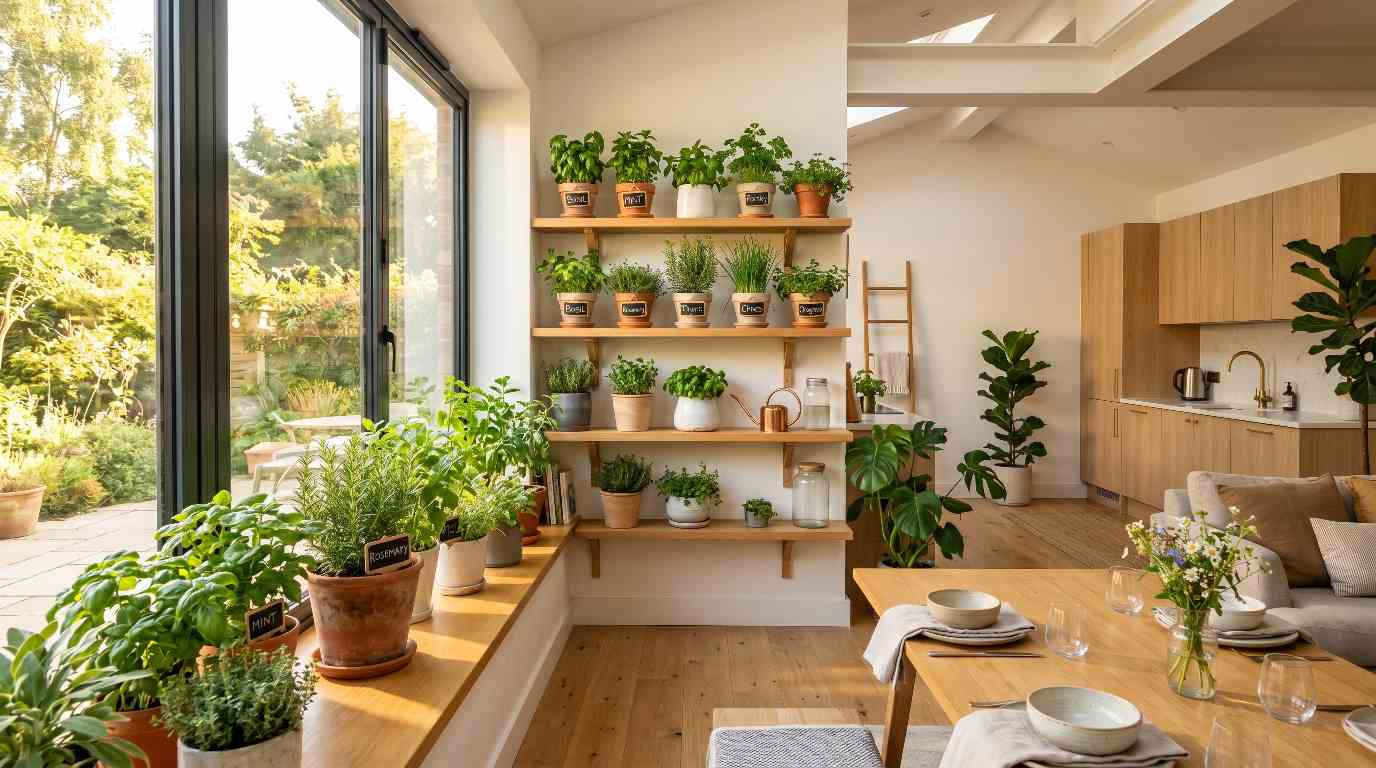
There is a distinct culinary magic in reaching over to a kitchen windowsill and snipping a handful of fresh basil, rosemary, or thyme right as a dish finishes cooking. Fresh herbs elevate everyday home cooking from ordinary to extraordinary, offering vibrant flavors and aromatic complexity that dried alternatives simply cannot match.
Growing these plants indoors is not merely a design trend; it is a practical, cost-effective way to ensure a year-round supply of clean, pesticide-free ingredients. While the concept of indoor gardening is straightforward, success requires a solid understanding of plant physiology, light requirements, and moisture control. This guide breaks down the precise steps needed to cultivate, maintain, and harvest a bountiful indoor herb garden.
Selecting the Right Herbs for Indoor Cultivation
Not all herbs thrive under indoor conditions. Sun-loving, Mediterranean perennials have different requirements than moisture-loving annuals. When starting an indoor garden, it is best to choose varieties that adapt well to container life and the ambient temperatures of a standard home.
1. Basil (Ocimum basilicum)
Basil is a culinary staple essential for pestos, pastas, and caprese salads. It requires significant warmth and light. While it grows rapidly, it requires frequent harvesting and monitoring to prevent it from becoming woody or flowering, which alters the flavor of the leaves.
2. Thyme (Thymus vulgaris)
Thyme is a resilient, drought-tolerant perennial that handles indoor environments exceptionally well. Its small root system makes it ideal for shallow containers. The leaves provide an earthy, subtle flavor perfect for stews, roasted meats, and roasted vegetables.
3. Rosemary (Salvia rosmarinus)
Rosemary is a woodier perennial that prefers a drier climate. It can be somewhat challenging indoors due to its strict sunlight demands and sensitivity to overwatering, but it rewards the gardener with highly aromatic needles that pair perfectly with potatoes, poultry, and breads.
4. Mint (Mentha)
Mint is notorious for its aggressive growth habit, making it an absolute must for container gardening. If planted outdoors in the ground, it will quickly overtake a garden bed. Indoors, a single pot of spearmint or peppermint provides a controlled, steady supply for teas, cocktails, and Middle Eastern dishes.
5. Parsley (Petroselinum crispum)
Flat-leaf Italian parsley is far more than a decorative garnish. It adds a bright, clean, slightly peppery flavor to sauces, stocks, and grain salads. Parsley is a biennial plant that grows relatively slowly from seed but thrives consistently once established in a deep pot.
6. Chives (Allium schoenoprasum)
Chives offer a mild, delicate onion flavor that enhances eggs, baked potatoes, and soups. They grow in dense clumps and handle the lower-light conditions of indoor windowsills better than many other herbs.
Lighting Requirements: The Foundation of Growth
The single most common reason indoor herb gardens fail is a lack of adequate light. Outdoors, herbs bask in unfiltered sunlight for eight to twelve hours a day. Indoors, glass windows filter out crucial spectrums of light, and ambient room lighting is insufficient for photosynthesis.
Natural Light Optimization
To grow healthy, robust herbs without supplemental lighting, you must utilize a South-facing window. Southern exposures receive the most intense, consistent sunlight throughout the day in the Northern Hemisphere. West-facing windows are the next best alternative, providing strong, hot afternoon sun. East-facing windows offer gentle morning light, which is acceptable for low-light herbs like chives or mint, but insufficient for rosemary or basil. North-facing windows will not provide enough light to sustain an herb garden.
Supplemental Grow Lights
If your home lacks bright window ledges, or if you are growing during the dark winter months, investing in a grow light is necessary. Leggy, pale, or weak stems are clear indicators that your plants are stretching toward a light source and require more illumination.
-
LED Grow Lights: Highly efficient, long-lasting, and generate minimal heat. Look for full-spectrum LEDs, which mimic natural sunlight.
-
Duration: Keep grow lights positioned two to four inches above the tops of the plants (for fluorescent/LED panels) and leave them on for 14 to 16 hours a day. Automated timers are highly recommended to maintain a consistent schedule.
Potting, Soil, and Drainage Dynamics
Herbs are highly susceptible to root rot, a condition caused by waterlogging that suffocates the root system. Choosing the right container and growing medium is critical to preventing this issue.
Container Selection
Every pot used for indoor herbs must have drainage holes at the bottom. Without a way for excess water to escape, moisture pools at the base of the pot, creating an anaerobic environment that destroys roots.
-
Terra Cotta Pots: These unglazed clay pots are porous, allowing moisture to evaporate through the walls of the container. This makes them excellent for Mediterranean herbs like rosemary, thyme, and oregano that prefer drier soil.
-
Plastic or Ceramic Pots: These retain moisture longer, making them well-suited for moisture-loving herbs like mint, parsley, and basil.
-
Sizing: Start herbs in pots that are at least six inches in diameter. Deep-rooted herbs like parsley and rosemary prefer eight- to ten-inch pots to allow full root expansion.
The Ideal Soil Mixture
Never use standard outdoor garden soil in indoor containers. Outdoor soil is too dense, compacts easily in pots, and can introduce pests and disease into your home. Instead, utilize a high-quality, organic potting mix formulated for vegetables or herbs.
To optimize drainage, blend the potting soil with perlite or coarse sand in a 4:1 ratio. This ensures that water moves swiftly through the container while retaining just enough moisture to keep the roots hydrated.
Watering and Fertilizing Protocol
Indoor plants do not experience the drying effects of wind and intense outdoor sun, meaning they require a structured, thoughtful watering routine rather than a rigid calendar schedule.
The Touch Test
Before watering, insert your index finger into the soil up to the first knuckle (about one inch deep).
-
If the soil feels dry and warm, it is time to water thoroughly.
-
If the soil feels damp and cool, wait a few days and check again.
When watering, pour water directly onto the soil until it runs out of the drainage holes at the bottom of the pot. Allow the pot to drain completely, and empty the catch saucer beneath it after 15 minutes. Never let a pot sit in standing water.
Indoor Nutrients
Because potted herbs are isolated from natural ecosystem processes, they rapidly consume the nutrients available in their limited soil. To keep them producing new leaves, you must replenish these nutrients.
Use a water-soluble, organic fertilizer balanced specifically for foliage growth (such as a liquid seaweed or fish emulsion). Apply the fertilizer at half-strength every four to six weeks during the active spring and summer growing seasons. Avoid over-fertilizing, as excessive nutrients cause rapid growth that dilutes the concentration of essential oils, resulting in tasteless herbs.
Pruning and Harvesting Techniques for Maximum Yield
Harvesting herbs is not just about gathering ingredients for dinner; it is a critical maintenance step that stimulates healthier, bushier plant growth. Improper harvesting can stunt or kill the plant.
The Golden Rule of Harvesting
Never remove more than one-third of a plant’s total foliage at any given time. Stripping a plant of too many leaves deprives it of its ability to photosynthesize, throwing it into shock.
How to Trim Annuals vs. Perennials
-
For Leafy Herbs (Basil, Mint): Pinch or cut the stem just above a leaf node (the point where new leaves emerge from the main stem). This forces the plant to branch out into two new stems at that intersection, doubling your future yield and keeping the plant bushy rather than tall and spindly.
-
For Woody Herbs (Rosemary, Thyme): Cut the tips of the green, tender growing stems. Avoid cutting back into the old, woody parts of the branch, as these sections rarely regenerate new growth.
-
Preventing Flowering: If you notice flower buds forming on your herbs, pinch them off immediately. Once an herb flowers, it shifts its energy away from leaf production and toward seed production, which alters the chemical composition of the leaves and leaves them tasting bitter.
Frequently Asked Questions
Can I grow different herbs together in the same pot?
Yes, you can companion-plant herbs, but only if they share identical environmental preferences. For example, Mediterranean herbs like rosemary, thyme, oregano, and marjoram can share a large container because they all prefer dry, sandy soil and intense sunlight. However, you should never plant rosemary in the same pot as mint or basil, as the high moisture levels required by basil will cause rosemary roots to rot.
Why are the lower leaves of my indoor basil turning yellow and falling off?
Yellowing lower leaves are almost always a sign of overwatering or poor soil drainage. When the roots sit in waterlogged soil, they lose access to oxygen, causing the plant to drop its oldest leaves first. Reduce your watering frequency, ensure the container drainage holes are clear, and let the top inch of soil dry out completely before watering again.
How do I deal with indoor pests like fungus gnats or spider mites?
Indoor environments lack natural predators, allowing pests to multiply quickly. Fungus gnats thrive in overly wet soil; you can control them by letting the soil dry out more between waterings and using yellow sticky traps. For spider mites or aphids, spray the foliage thoroughly with a mixture of water and a few drops of organic insecticidal soap or neem oil, paying close attention to the undersides of the leaves.
Why does my indoor rosemary plant keep drying up and dying even though I water it?
Rosemary is highly sensitive to humidity and air circulation. Indoor environments, particularly during winter when heating systems are running, feature incredibly dry air. When rosemary is placed in a stagnant room with dry air, it transpires moisture faster than its roots can absorb it, leading to a quick death. To fix this, place the pot near a small fan for air circulation and use a pebble tray filled with water beneath the pot to elevate local humidity without wetting the roots.
Should I start my indoor herb garden from seeds or nursery starter plants?
For beginners, starting with nursery starter plants or cuttings is highly recommended. Herbs like rosemary, thyme, and lavender germinate very slowly and require precise conditions to sprout. Starting with established plants gives you an immediate harvest and a much higher success rate. Fast-growing annuals like basil and cilantro, however, can easily be started from seed indoors.
Does the temperature of my kitchen affect the growth of indoor herbs?
Most indoor herbs thrive in standard household temperatures between 65 and 75 degrees Fahrenheit. However, you must protect them from extreme temperature fluctuations. Avoid placing your herb pots directly next to hot stoves, heating vents, or drafty winter windows, as rapid temperature shifts can cause leaf drop and stress the plants.
How long do indoor herb plants typically live before they need to be replaced?
Annual herbs like basil and cilantro generally live for several months to a year indoors before they naturally decline after trying to flower. Perennial herbs like rosemary, thyme, and chives can live for several years in containers if they are repotted into larger containers with fresh soil every spring to prevent them from becoming root-bound.
